





In the mobile robotics industry, navigation and environmental perception technologies have always been core capabilities. From restaurant delivery robots and commercial cleaning robots to AMRs and AGVs in warehousing and logistics, as well as automated forklifts and outdoor lawn mowing robots, different types of robots serve diverse applications. Yet, when it comes to perception systems, they share a common choice—LiDAR.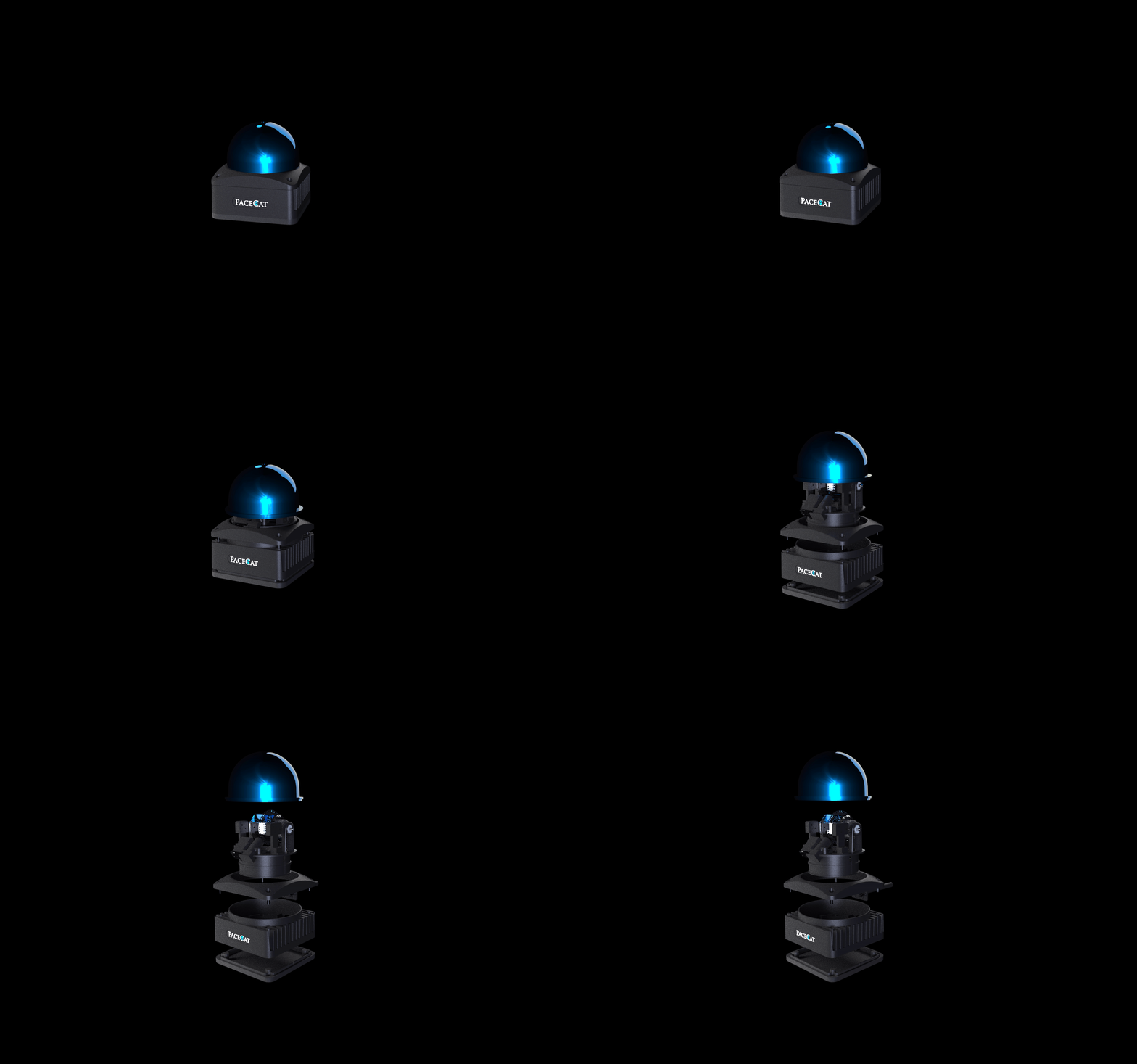
With advantages such as high-precision distance measurement, stable environmental perception, and independence from lighting conditions, LiDAR has become one of the key sensors in mobile robot navigation systems. This article draws on real-world applications from multiple industry clients of our company to help you better understand the technical value of LiDAR in robotic systems.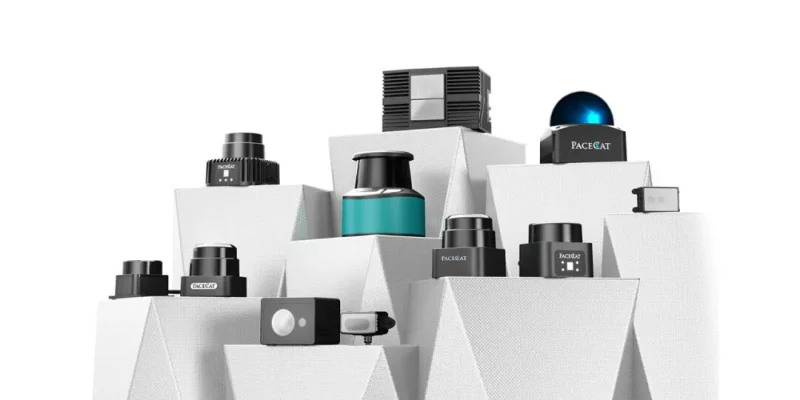
LiDAR Technology Explained
In a mobile robot system, the robot must continuously perform three key tasks:
-
Environment Perception
-
Localization and Mapping (SLAM)
-
Path Planning and Obstacle Avoidance (Navigation)
By using high-speed rotating scanning or solid-state scanning, LiDAR captures real-time distance and contour data of the surrounding environment, generating 2D or 3D point cloud information, and providing a stable foundation for spatial perception.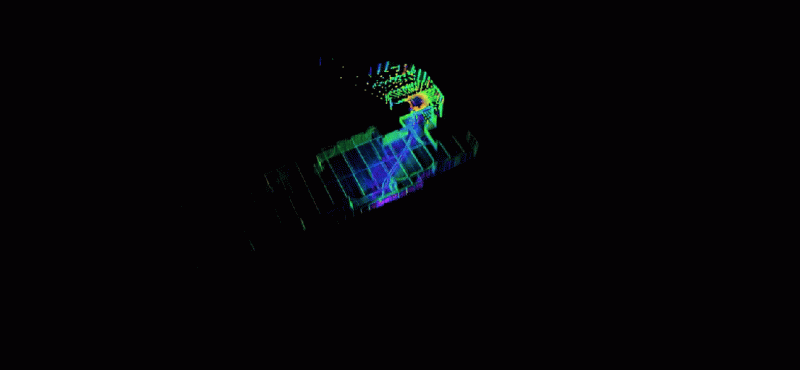
Compared to vision-based solutions, LiDAR offers several key technical advantages:
-
High-precision distance measurement
Using Time-of-Flight (ToF) ranging technology, LiDAR achieves centimeter-level or even higher accuracy. -
Independence from lighting conditions
Whether in strong light or complete darkness, LiDAR operates reliably. -
Real-time environmental scanning
High-frequency scanning allows rapid detection of surrounding obstacles, improving the robot’s obstacle avoidance capabilities. -
Structured environmental data
The point cloud data output by LiDAR is better suited for SLAM algorithms used in mapping and localization.
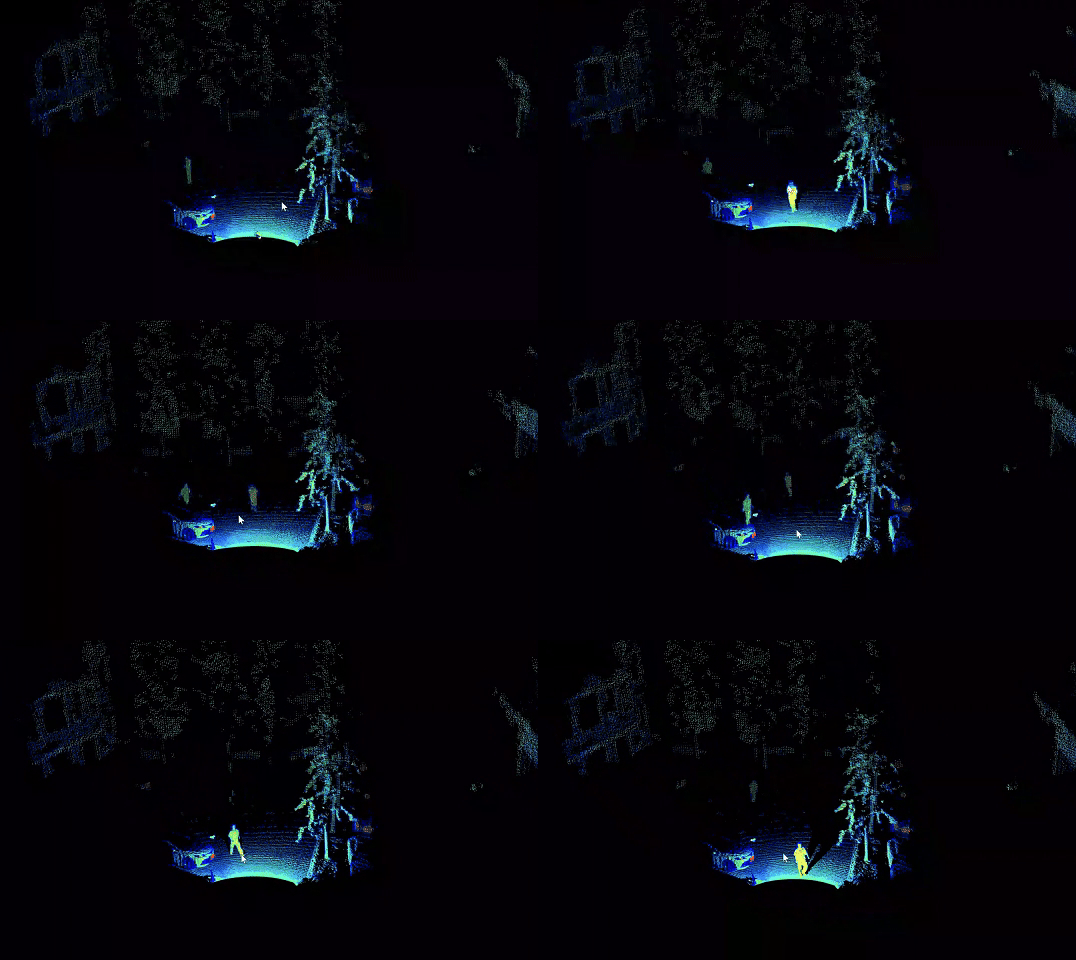
These advantages have made LiDAR a mainstream navigation sensor across various robotics sectors.
Technology in Action: Applications Across Different Robotic Scenarios
Commercial Service Robots
In service scenarios such as restaurants, robots must operate in dynamic environments where customers move around and furniture arrangements change.
Delivery robots from the service robotics company Pudu Robotics use LiDAR for indoor mapping and real-time localization, enabling them to perform:
-
Autonomous navigation
-
Dynamic obstacle avoidance
-
Path optimization
Stable environmental scanning capabilities are essential to the long-term, reliable operation of these robots.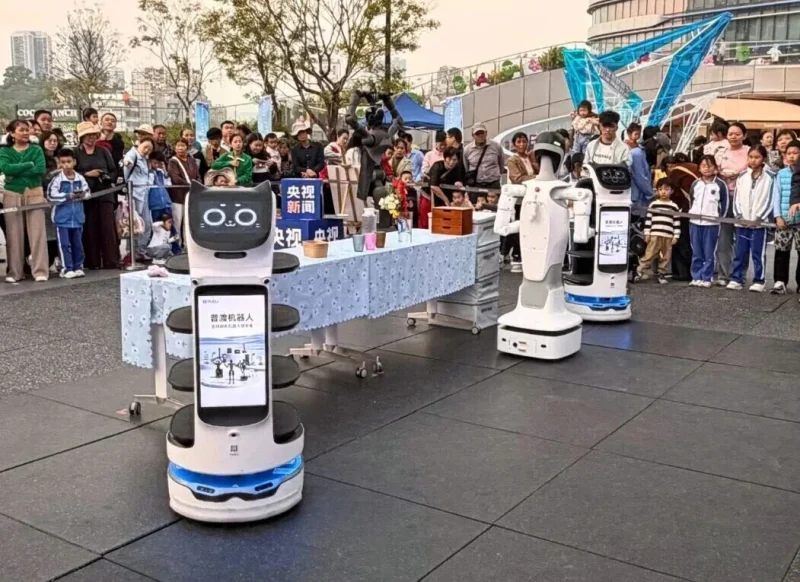
Commercial Cleaning Robots
In large shopping malls, hospitals, or office buildings, cleaning robots need to operate continuously over extended periods and cover large areas.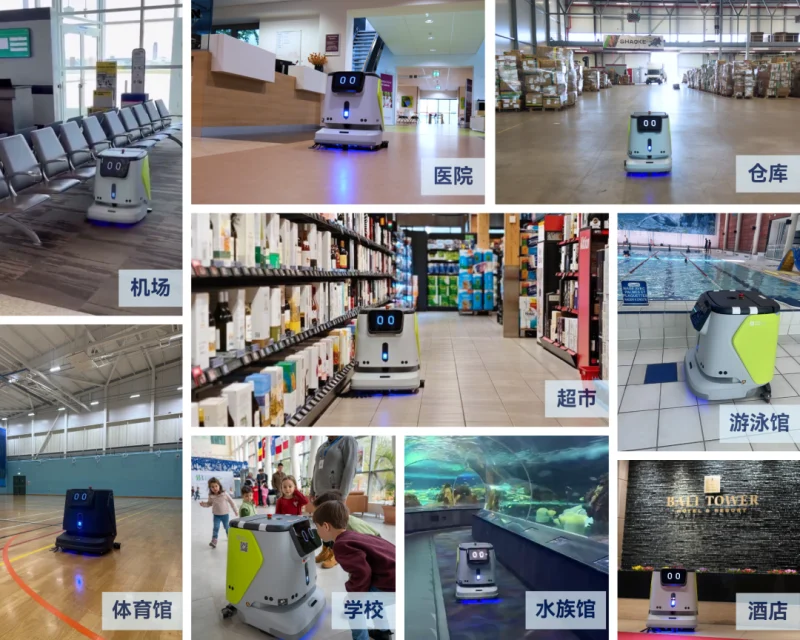
LiDAR allows these robots to build high-precision environmental maps through continuous scanning and update localization information in real time during operation. This ensures stable navigation in complex spaces while avoiding missed or repeated cleaning areas.
Industrial Logistics Robots (AMR / AGV)
In warehousing and logistics environments, AMRs and AGVs must operate safely in high-density shelving areas.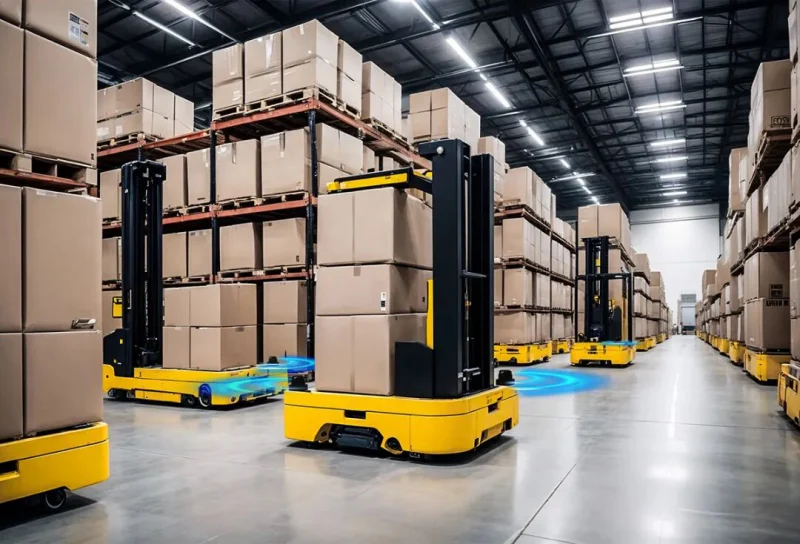
With 360° environmental scanning, LiDAR quickly identifies surrounding obstacles and, combined with SLAM algorithms, achieves precise localization, ensuring safe movement in complex industrial settings.
Today, this technology has become a standard perception solution in smart warehousing robotic systems.
Automated Forklift Systems
In automated warehousing systems, forklift robots require high-precision localization and handling capabilities.
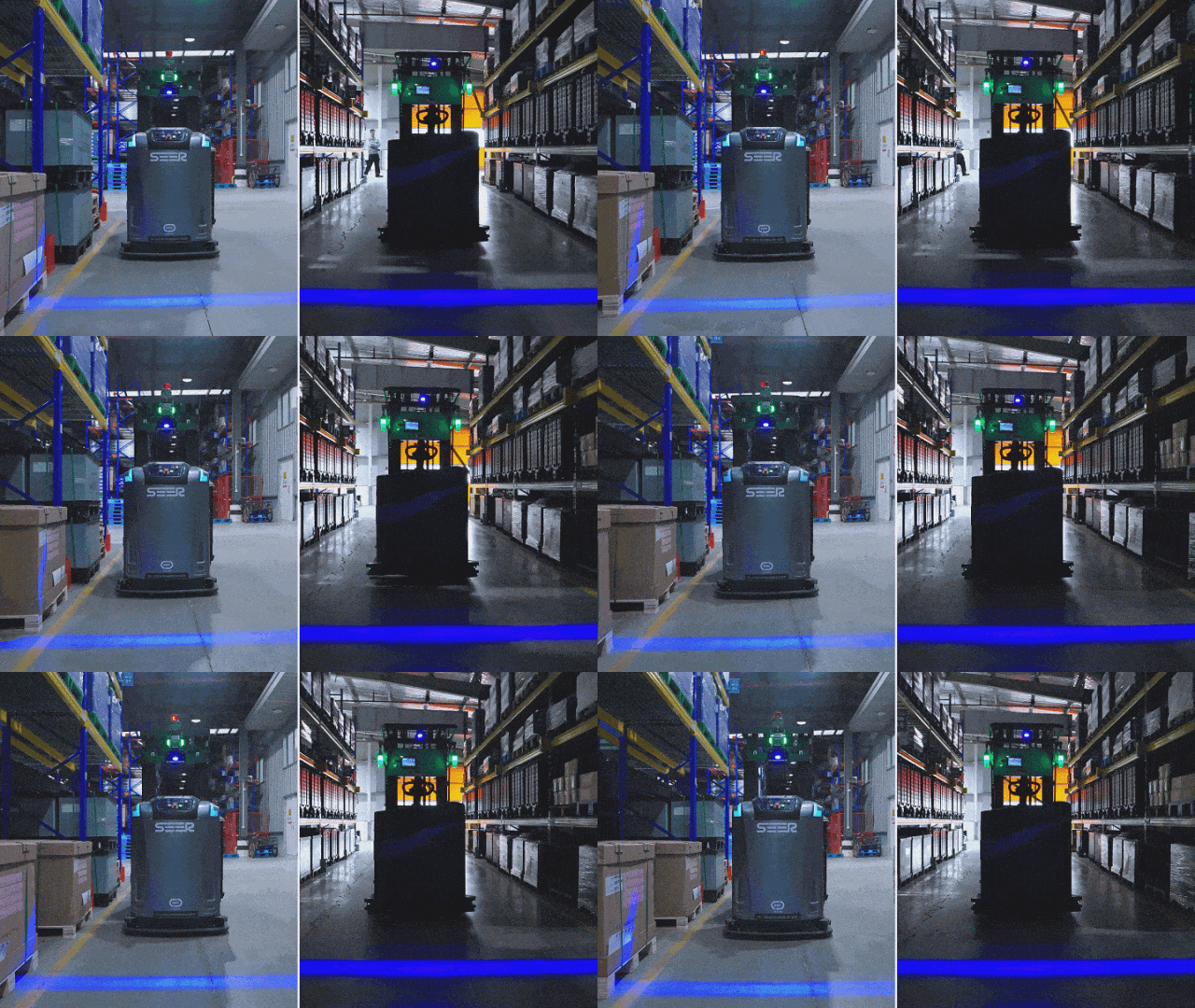
The automated forklift systems from intelligent logistics solution provider SEER Robotics utilize LiDAR for environmental scanning and map matching, enabling:
-
Automated path planning
-
Precise shelf positioning
-
Safe handling operations
In complex warehouse environments, LiDAR provides stable spatial data support.
Outdoor Robots
With the advancement of outdoor robotics technology, LiDAR is also making its way into gardening and outdoor equipment.
For example, the lawn mowing robot brand Segway Navimow uses LiDAR in some of its solutions for environmental perception, allowing the device to identify obstacles such as fences and trees and plan effective mowing paths.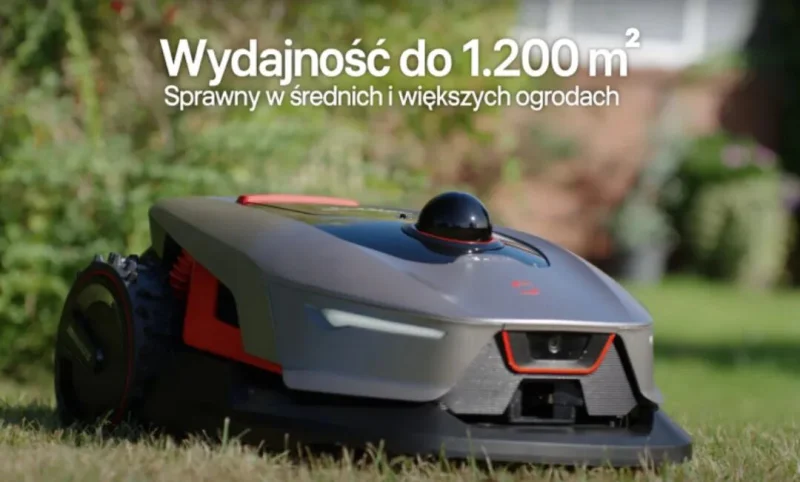
Compared to vision-based solutions, LiDAR offers greater stability in outdoor environments.
As an original manufacturer of LiDAR, BlueOcean Sensor remains focused on delivering more reliable perception capabilities, more compact product designs, and broader application adaptability. Moving forward, we will continue to collaborate with robotics industry partners to drive the deployment of intelligent robots across even more scenarios.
Partners interested in collaboration are welcome to leave a message or contact us directly for further discussion!